Gardeners specialising in period houses near Blackheath Standard
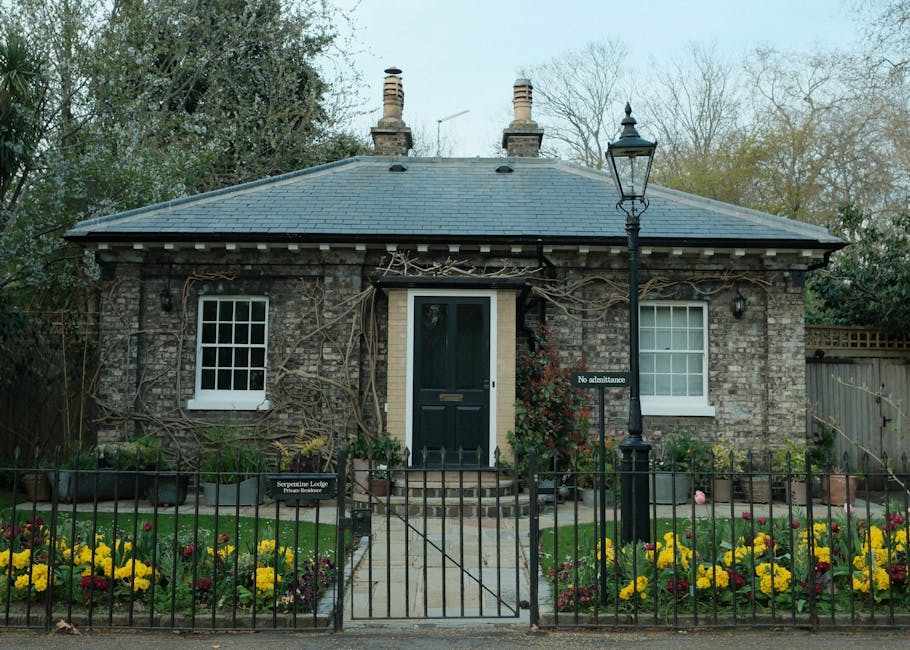
If you own a period property near Blackheath Standard, you already know the garden is rarely just "outside space". It is part of the house's character. The view from the bay window, the old boundary wall, the clipped hedge, the worn brick path that has softened over decades - these details matter. Gardeners specialising in period houses near Blackheath Standard understand that a garden like this needs more than routine tidying. It needs judgement, restraint, and a feel for what belongs.
That is especially true in this part of south-east London, where older homes often sit between private courtyards, mature front gardens, compact terraces, and larger plots that have been shaped by many hands over many years. The wrong cut, the wrong plant choice, or an overzealous tidy-up can flatten the very charm you are trying to preserve. The right approach, though, can make a tired garden feel settled again without making it look overworked. And let's face it, that balance is harder than it sounds.
In this guide, we will walk through what period-house gardening actually involves, why it matters, how it works in practice, and what to look for when choosing help near Blackheath Standard. You will also find a practical checklist, a comparison table, and common mistakes to avoid. If you are deciding whether your garden needs a careful seasonal refresh or a more structured maintenance plan, this should help you make a sensible call.
Why Gardeners specialising in period houses near Blackheath Standard Matters
Period homes ask for a different kind of gardening. Not precious, necessarily. Just thoughtful. A house from the Victorian, Edwardian, or interwar era usually has proportions and materials that work best with planting and maintenance that respect the original look. Strong lines. Soft edges. Structure first, then detail.
A standard "one size fits all" garden service can miss that completely. For example, a tidy-up that removes all self-seeding plants may make the space look bare and oddly formal. On the other hand, letting everything grow freely can blur the architecture of the house and make frontages feel neglected. The sweet spot is somewhere in the middle.
Near Blackheath Standard, many properties have mature front gardens, narrow access paths, old fences, and established hedges that need careful handling. That creates a few typical challenges:
- Preserving the balance between a house facade and the planting around it
- Working around compact access, shared boundaries, or neighbour sightlines
- Choosing plants that suit heritage styles and local conditions
- Managing mature shrubs and hedges without harsh, visible cuts
- Keeping paths, brickwork, and boundary details visible rather than swallowed up
The point is not to make the garden look museum-like. Quite the opposite. A well-managed period garden feels lived in. It looks like it belongs to the house, not as if it arrived yesterday in a rush of modern landscaping.
Expert summary: If the house has character, the garden should echo it. That usually means proportion, restraint, and repeatable seasonal care rather than dramatic redesigns. Sometimes the best result is the one that quietly looks like it has always been there.
How Gardeners specialising in period houses near Blackheath Standard Works
The work normally starts with observation. A specialist gardener will look at the style of the house, the age and shape of the planting, the amount of light, soil condition, drainage, and how the garden is used. They may also notice things that are easy to overlook: where rainwater pools after a heavy shower, where the front border gets wind, or which shrubs are hiding the windows more than they should.
From there, the approach is usually a mix of maintenance and sensitive improvement. That might include pruning, hedge shaping, soil improvement, seasonal planting, lawn care, bed definition, climber support, and selective clearance. In period settings, small adjustments often do more than big interventions. A two-hour job can change the whole feel of a front garden if it restores proportion properly.
In our experience, the best results come from planning around the house rather than around a list of tasks. For example, a narrow terraced frontage may need low-maintenance structure and neat edges, while a larger detached property might benefit from layered planting that softens the building without hiding it. Same postcode area, very different brief.
A good gardener will also consider what should be left alone. That matters more than people think. Mature wisteria, a well-established yew, old box shapes, or climbing roses can all contribute to the setting of a period home. Cut them carelessly and you spend years recovering the damage. Sometimes patience is the most professional tool in the box.
You may also notice that specialist gardeners tend to work in phases. They do not usually try to fix everything at once. Instead, they will:
- Assess the garden's structure and weak points
- Identify what should be kept, reduced, restored, or replaced
- Set a seasonal sequence of work
- Agree on priorities for shape, access, and presentation
- Build in maintenance so the garden does not drift back into disorder
That approach is particularly useful in older gardens where years of patchy maintenance have created a mix of excellent features and awkward overgrowth. Truth be told, many period gardens are a bit like old houses themselves: a lovely foundation with a few quirks that need handling properly.
Key Benefits and Practical Advantages
Hiring a gardener with period-house experience is not just about appearance. Yes, the garden looks better. But there are more practical advantages too.
| Benefit | What it means in practice | Why it matters for period homes |
|---|---|---|
| Better visual balance | Planting and hard landscaping sit naturally with the house | Preserves the character of older facades and boundary lines |
| Smarter plant selection | Plants suit shade, soil, aspect, and style | Reduces constant replacement and avoids mismatched looks |
| Cleaner structure | Paths, borders, hedges, and focal points are defined | Prevents the garden from swallowing key architectural details |
| Reduced damage risk | Pruning and clearance are done with care | Protects mature shrubs, climbing plants, brickwork, and walls |
| Ongoing ease | Work is planned around seasons and upkeep | Makes the garden easier to manage over time |
There is also the peace-of-mind factor. A period house can feel slightly vulnerable when the garden starts to run wild. Windows disappear behind growth. Edges blur. The place stops feeling loved. A good gardener restores order without stripping away life. That is a small thing, maybe, but it changes how you feel every time you come home.
For owners who care about resale value, there is a quieter benefit too. Gardens that complement the house often make a stronger first impression than oversized, trendy planting schemes that look fashionable for one season and awkward the next. Older properties generally age better when the garden is designed to age with them.
Who This Is For and When It Makes Sense
This kind of gardening is a strong fit if you own, manage, or care for:
- Victorian or Edwardian terraced houses
- Semi-detached period homes with front gardens
- Older cottages or converted properties
- Homes with original brickwork, walls, railings, or traditional frontage details
- Gardens where the planting has become too dense, too plain, or too mixed-up over time
It also makes sense if you have recently moved in and want to understand what the garden is trying to be. That sounds a bit poetic, but it is true. Some gardens are clearly formal. Others want softness and seasonal colour. A few just need breathing room and a decent plan.
You may especially benefit from a specialist if any of the following sound familiar:
- The garden looks messy after each growing season, even when it was recently tidied
- Important features of the house are hidden by overgrown shrubs or hedges
- You want better curb appeal without a full redesign
- You need regular upkeep but do not want the garden to lose its older feel
- There are access issues, steep sections, or boundary concerns
Not every garden needs a deep period-sensitive approach, to be fair. If your outdoor space is very modern in layout or has already been redesigned heavily, a general maintenance service may be enough. But if the property has character that you want to protect, it is worth choosing someone who notices the details rather than just the weeds. There is a difference, and a pretty obvious one once you see it.
Step-by-Step Guidance
If you are planning work on a period garden near Blackheath Standard, a simple process helps keep it under control. No drama. No guesswork.
1. Walk the garden at different times of day
Morning light, afternoon shade, and evening shadows can all change how a garden feels. A border that looks fine at noon may hide the path by dusk. If possible, walk the space before and after rain too. Dampness shows where soil is compacted and where drainage is poor.
2. Decide what the house needs visually
Ask a straightforward question: should the planting frame the house, soften it, or create privacy? That answer shapes everything else. A formal frontage usually benefits from symmetry and clean lines. A more relaxed rear garden may suit layered planting and softer edges.
3. Separate the keep, reduce, and remove list
Period gardens often contain a mix of valuable old plants and clutter that has built up over time. Mark the plants or features you want to keep first. Then identify what is overgrown, weak, or out of place. Remove gradually where possible. It is amazing how often one badly placed shrub is doing the visual damage of three.
4. Prioritise structure before colour
New seasonal planting is lovely, but if the shape of the garden is wrong, flowers will not save it. Set the bones first: hedges, borders, focal shrubs, paths, containers, and edges. Then layer in seasonal planting once the framework works.
5. Build a realistic maintenance rhythm
Older gardens usually look best with regular light attention rather than occasional large interventions. That might mean monthly visits in the growing season, more targeted pruning in winter, and small adjustments after storms or heat spells. Small and steady usually beats heroic and rare.
6. Review after the first season
Most period gardens improve further once you have seen how they behave across one full cycle. Some plants surprise you. Some corners stay damp. Some sunny spots are not as sunny as they looked in March. Adjusting after the first season is normal, not a sign that the plan failed.
Simple rule: if a change makes the house look more settled and the garden easier to read, you are probably moving in the right direction.
Expert Tips for Better Results
Here are the practical habits that tend to separate a decent result from a really good one.
- Keep sightlines in mind. The front door, bay windows, and architectural details should not vanish behind planting unless that is part of the plan.
- Choose plants with a long season. In period settings, repeated interest matters more than one dramatic week of colour.
- Use repetition. Repeated shapes or plants feel calm and appropriate around older houses.
- Respect proportions. A tiny border plant can look lost beside a tall facade; a huge shrub can overwhelm a modest frontage.
- Make edges crisp. Clean edging on paths and beds often does more for the overall look than a lot of expensive planting.
- Think in layers. Low groundcover, mid-height shrubs, and a few vertical accents usually read well in period schemes.
- Prune for shape, not just size. Size reduction is useful, yes, but shape is what protects the feel of the garden.
One small observation from real gardens: the neatest-looking period front gardens are rarely the most complicated. They are usually the ones where every element seems to know its job. A hedge forms the line. A climber softens the wall. A container fills a gap. Nothing shouts. That is the point.
If you are unsure about a plant, ask whether it supports the house or competes with it. That question alone clears up a lot. Not everything needs to be dramatic. A well-placed evergreen can be worth more than a dozen flashy additions, especially in winter when the garden needs backbone.
Common Mistakes to Avoid
Some mistakes are small but costly. Others are obvious in hindsight, which is no help when you are standing there with shears in hand.
- Over-pruning mature plants. Hard cuts can leave a period garden looking bare and oddly exposed.
- Using trendy planting without context. A scheme that looks good on a new-build plot may jar badly against an older facade.
- Ignoring the front garden. Many people focus on the rear space and forget that the frontage sets the tone.
- Removing too much at once. Old gardens often need phased work, not a single dramatic clear-out.
- Forgetting maintenance. Even the best design will slip if no one keeps an eye on it.
- Choosing plants only for looks. Aspect, soil, and size at maturity matter just as much.
- Letting boundaries get messy. Walls, hedges, fences, and climbing plants can make or break the overall appearance.
A very common one? People see a slightly untidy old border and assume it needs replacing. Sometimes it just needs thinning, lifting, and better spacing. Replacing everything can cost more and produce a garden with less soul. You can hear the difference, almost. One feels lived in; the other feels staged.
Another mistake is not accounting for the pace of change. Period gardens often improve gradually. If you expect instant perfection, you may overdo things in the first visit. Give it room to breathe.
Tools, Resources and Recommendations
Good results do not rely on fancy kit, but the right tools make careful work much easier. For period-house gardens, the main priority is control rather than brute force.
Useful tools and materials often include:
- Hand pruners for precise cuts on shrubs and perennials
- Long-reach secateurs for awkward growth near walls or borders
- Hedge trimmers used carefully, not as a shortcut for everything
- Spades, forks, and hand forks for soil conditioning and replanting
- Mulch or compost for improving tired beds and helping moisture retention
- Plant supports for roses, climbers, and taller perennials
For planning, simple notes matter. A quick seasonal sketch or a photo record can show which areas get strong sun, where growth blocks the light, and which plants are recurring troublemakers. A phone camera is often enough. No grand system needed. Just consistency.
If you are arranging professional help, useful pages on the same website can also give a sense of the wider service approach, including the full services overview, garden maintenance, landscape gardening, and pricing and quotes. If you are comparing options, that can make the decision feel a lot less foggy.
Small recommendation: keep a short written brief for the gardener. Even five lines helps. House style, key problems, things to keep, things to avoid, and how formal you want the result to feel. That little note can save a lot of back-and-forth.
Law, Compliance, Standards, and Best Practice
For most residential garden work, the main concerns are safety, neighbour consideration, waste handling, and responsible working practices. If the property is period and the garden includes mature trees, boundary walls, old masonry, or protected features, it becomes even more important to work carefully and check what applies locally before starting anything structural or potentially sensitive.
In practical terms, a good gardener should operate in a way that respects the property, nearby homes, and the people doing the work. That usually means sensible use of equipment, proper handling of green waste, care around unstable surfaces, and awareness of access routes. If a job involves larger tree work, substantial clearance, or anything that could affect shared boundaries, it is wise to pause and get the right advice rather than guessing. Guessing is not a method. Not a good one anyway.
Best practice also includes clear communication about what will be done, what is excluded, and what may need follow-up. In older gardens, surprise work is rarely a good idea. For example, a shrub that looks untidy might actually be screening a wall that needs gradual exposure, or supporting a climber worth keeping. The details matter.
If you want to understand how a professional service frames its standards, you may also find the site's insurance and safety page and health and safety policy helpful. For environmental handling of cuttings and surplus material, the recycling and sustainability approach can also be relevant. Those practical details are not glamorous, but they matter more than people think.
Options, Methods, and Comparison Table
When maintaining a period garden, the big decision is usually not whether to do something, but how much to do. Here is a simple comparison of common approaches.
| Approach | Best for | Pros | Limitations |
|---|---|---|---|
| Light seasonal maintenance | Gardens already in decent shape | Affordable, keeps the look stable, low disruption | May not fix deeper structural issues |
| Targeted restoration | Overgrown or neglected period gardens | Restores shape without starting from scratch | Needs judgment and phased work |
| Full redesign with heritage sensitivity | Gardens that no longer suit the house | Can dramatically improve flow and presentation | More expensive and more planning required |
| Ongoing maintenance plan | Owners who want consistency | Keeps the garden under control year-round | Requires commitment rather than one-off effort |
For many homes near Blackheath Standard, the sweet spot is targeted restoration followed by regular maintenance. That gives you the biggest improvement without losing the age and character that make the house special in the first place.
Sometimes the best method is a small intervention repeated well. Not dramatic. Just consistent. Gardens usually reward that kind of attention.
Case Study or Real-World Example
Picture a Victorian semi with a modest front garden, an old brick path, and a hedge that had drifted a little too high over the years. The owners liked the house but felt the frontage had started to look closed in. The windows were partly hidden, the path felt narrow, and the planting was a mix of useful shrubs and one or two that had simply outgrown themselves.
The first job was not to rip everything out. Instead, the garden was assessed for structure. A couple of shrubs were reduced and reshaped. The hedge was brought back to a cleaner line. The border was thinned so the remaining plants had space to breathe. A climber near the wall was trained more carefully rather than cut back hard. After that, a few seasonal plants were added to brighten the approach without crowding the frontage.
The change was subtle, but unmistakable. The house looked more open. The path felt like it belonged again. The whole frontage read as cared for rather than merely maintained. That is the kind of result many period-house owners want: not a showroom effect, just a better version of what is already there.
A neighbour walking past one spring morning might not have been able to tell you exactly what changed. But they would notice. People usually do.
Practical Checklist
Use this checklist before you brief a gardener or start work yourself:
- Have you identified which features of the house should remain visible?
- Do you know which plants are worth keeping and which are in the way?
- Have you checked the garden in different light and weather conditions?
- Are there any mature shrubs, hedges, climbers, or trees that need careful handling?
- Is the overall style formal, relaxed, cottage-like, or somewhere in between?
- Do you want one-off restoration, regular maintenance, or both?
- Have you thought about access, waste removal, and neighbour boundaries?
- Are paths, steps, and edges safe and easy to use?
- Will the planting still look balanced in winter, not just in summer?
- Do you have a short written brief for the gardener?
If you can tick most of those off, you are in a good position. If not, that is fine too. It just means the garden needs a bit more conversation before anyone starts cutting.
Quick reminder: in older gardens, less can often be more, but only when the "less" is the right thing.
Conclusion
Choosing Gardeners specialising in period houses near Blackheath Standard is really about protecting the relationship between house and garden. Older homes need a steady hand. Not over-designed, not overdone, just carefully shaped so the garden supports the building rather than competing with it.
Whether your goal is to restore a front garden, simplify a tired border, or create a maintenance routine that respects the character of the property, the best results usually come from patient decisions and sensible priorities. Start with structure, respect the age of the space, and work with the house rather than against it. Simple enough to say, yes. But it makes all the difference.
Get a free quote today and see how much you can save.
And if you are still weighing things up, that is perfectly normal. Good period gardens are built slowly, with care, and they tend to repay that care quietly for years to come.
Frequently Asked Questions
What makes a gardener suitable for a period house?
A suitable gardener understands proportion, restraint, and the need to preserve architectural character. They should be comfortable working with mature planting, older boundaries, and gardens that need careful shaping rather than heavy redesign.
Do period-house gardens need more maintenance than modern gardens?
Not always more, but often more thoughtful maintenance. Mature plants, old hedges, and established borders can be beautiful, yet they need regular attention so they do not become tangled or too dominant.
Can you modernise a period garden without ruining its character?
Yes, absolutely. The trick is to keep the structure and style aligned with the house. You can improve access, add useful planting, and simplify awkward areas without stripping away the garden's identity.
How often should a period garden near Blackheath Standard be maintained?
That depends on size, planting, and how much growth the site gets, but many period gardens benefit from regular seasonal visits. In the growing season, smaller and more frequent jobs usually work better than rare major tidy-ups.
Is it better to restore an old garden or redesign it?
It depends on the condition of the space. If there is a good underlying structure, restoration is often the smarter first choice. If the layout no longer works at all, a sensitive redesign may be worth considering.
What should I ask before hiring a gardener for a period property?
Ask how they approach mature planting, whether they have worked with older homes, how they handle pruning, and whether they can help you keep the house's character visible. A sensible conversation early on saves hassle later.
Can one-off garden clearance damage a period garden?
It can, if it is done too aggressively. Clearing everything at once may remove useful structure, nesting habitat, or established screening. Phased clearance is often safer and looks better too.
Are formal gardens better for older houses?
Not necessarily. Some period homes suit formal planting, while others look better with a softer, more relaxed scheme. The right choice depends on the building style, frontage, and how you want the space to feel.
How do I know if a hedge or shrub is too large for the garden?
If it hides key features of the house, blocks light, overwhelms the border, or makes access awkward, it may be too large. A gardener with experience in older properties can usually judge whether it needs reshaping or gradual reduction.
What is the biggest mistake people make with period-house gardens?
Probably overdoing the tidy-up. People often remove too much, too fast, and the garden loses depth and charm. A more measured approach tends to deliver better long-term results.
Can I improve a period garden on a modest budget?
Yes. In many cases, pruning, boundary tidying, soil improvement, and a few well-chosen plants make a bigger difference than a full redesign. Good judgement often matters more than a big spend.
How do I keep the garden looking right through winter?
Focus on structure. Evergreen shapes, tidy edges, upright forms, and a few reliable plants help the garden hold itself together when flowers are scarce. Winter is where a garden's backbone shows.