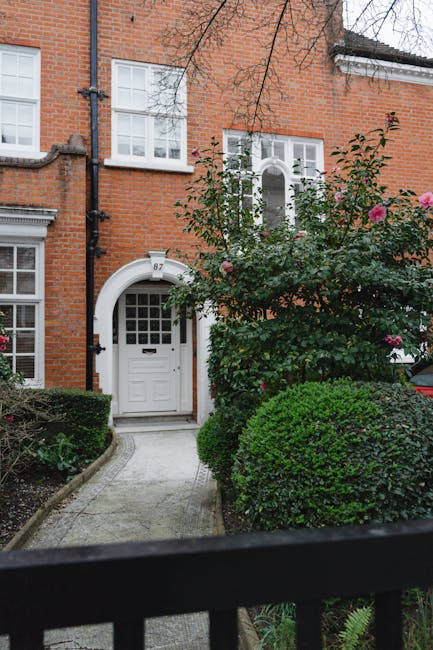
Case study small front garden makeover by Blackheath gardeners
A small front garden can be one of the hardest spaces to get right. It has to look smart from the street, work hard in limited square footage, and still feel easy to live with week after week. This case study small front garden makeover by Blackheath gardeners explores how a compact entrance space can be turned into something cleaner, sharper, and far more usable without making it feel overworked. If you have ever stood at your front window and thought, "It's only small, but it needs something," you are in the right place.
In Blackheath, where older homes, narrow plots, and mixed front elevations are common, front garden design tends to be a balancing act. You want kerb appeal, but you also want drainage, durability, and a layout that does not become a chore. This article breaks down the thinking behind a typical small front garden makeover, what garden professionals look at first, the steps involved, and the mistakes that can trip people up. It also gives you a practical framework for deciding what is worth doing and what is not. Truth be told, that part saves a lot of stress.
Along the way, you will see how the work can connect with wider garden care, from tidy boundaries to regular upkeep and smarter planting choices. For readers comparing services, it also helps to understand how a project like this sits alongside broader landscape gardening, routine garden maintenance, and practical site prep such as garden clearance.
Table of Contents
- Why this small front garden makeover matters
- How the makeover works in practice
- Key benefits and practical advantages
- Who this is for and when it makes sense
- Step-by-step guidance
- Expert tips for better results
- Common mistakes to avoid
- Tools, resources and recommendations
- Law, compliance, standards, or best practice
- Options, methods, or comparison table
- Case study or real-world example
- Practical checklist
- Conclusion
- Frequently asked questions
Why Case study small front garden makeover by Blackheath gardeners Matters
Small front gardens are easy to underestimate. Because they are compact, people often assume they do not need much planning. In reality, the opposite is usually true. Every metre counts, and every material choice is visible from the pavement. A slightly awkward path, a tired patch of lawn, or a hedge that has grown too bulky can make the whole frontage feel unbalanced.
A well-planned front garden makeover matters because it can change how the whole property feels. Not just visually, either. A front space that is easy to access, simple to maintain, and neatly arranged often makes day-to-day life smoother. You notice it when coming home with bags in the rain. You notice it when bins need moving. You notice it when the first thing you see in the morning is not mess, but a tidy, considered entrance.
In Blackheath and nearby SE3 streets, front gardens often sit close to the road, so the design has to handle a bit of urban reality. Dust, compacted soil, shade from nearby buildings or trees, and occasional hard use all play a part. A makeover is not just about prettiness. It is about solving those small friction points that make a garden feel annoying rather than enjoyable.
In a small front garden, clarity beats clutter almost every time. If the layout reads well at a glance, the whole space feels bigger, calmer, and more welcoming.
There is also a trust factor with the street view. A front garden gives the first impression of the home, and that impression is set in seconds. To be fair, most people do not stand there analysing horticulture. They just feel whether it looks cared for. That is why a clean structure, healthy planting, and a crisp finish matter so much.
How Case study small front garden makeover by Blackheath gardeners Works
Most successful small front garden makeovers follow the same broad pattern: assess the site, simplify the layout, choose the right materials, and then build in maintenance that will not become a burden. The work usually starts with what is already there. Is the soil poor and compacted? Is the frontage too dark for thirsty planting? Is the current design hiding the house rather than framing it?
A Blackheath gardener would typically begin by looking at the practical basics. Access matters. Drainage matters. Sightlines matter. If there is a narrow run to the doorway, the path should feel generous enough to walk comfortably, even if the garden itself is modest. If the front bed is shallow, the planting needs to be layered carefully so it looks full without becoming congested.
Then comes the decision-making. Some gardens benefit from a mostly hard-landscaped approach with paving, edging, and structured planters. Others need softer planting to counter a plain frontage. Often, the best result is a mix: one or two reliable structural plants, a neat low hedge or edge, and a clean surface that is easy to keep tidy.
There is no magic formula. That is the honest answer. But there is a sensible sequence.
- Clear out cluttered or failing material.
- Check levels, drainage, and the existing surface.
- Decide which features should stay and which should go.
- Create a tidy layout that suits the size of the garden.
- Install or refresh planting, edging, and finishing details.
- Set up a maintenance routine that keeps the result looking sharp.
This is where broader services often overlap. For example, if shrubs are overgrown or a boundary is messy, a combination of hedge trimming, careful lawn mowing, and selective pruning can make a huge difference before any decorative work begins. In a compact space, small improvements have an outsized effect. A lot can happen with a few good decisions.
Key Benefits and Practical Advantages
People often think of a front garden makeover as cosmetic. It can be that, yes, but the better projects usually do more than one job. They make the space easier to live with, easier to maintain, and better suited to the house itself. That is where the real value lies.
- Stronger kerb appeal: A well-finished frontage creates a more polished first impression.
- Better use of space: A small plot feels larger when the layout is clear and uncluttered.
- Less maintenance: The right planting and materials reduce ongoing work.
- Improved access: Cleaner paths and better circulation make everyday use more comfortable.
- Better structure: Edges, focal points, and planting layers make the garden feel intentional.
- More resilience: Thoughtful choices cope better with shade, rainfall, and routine wear.
There is also a practical benefit that is easy to miss: when the design is simplified, people tend to keep it tidy. A garden that is awkward to maintain gets ignored. One that feels manageable gets looked after. It sounds almost too simple, but it is true.
For homeowners who care about the broader picture, a front garden makeover can also support the rest of the property. It may reduce mud being carried in, improve drainage near entrances, and make the street-facing side feel more secure and considered. If you are already investing in the rest of the garden, a front space that ties in visually can make the whole home feel more coherent.
Who This Is For and When It Makes Sense
This kind of project suits homeowners who want their front garden to stop feeling like dead space. If the area is currently patchy, tired, overgrown, or simply too plain, a makeover can transform it without requiring a huge footprint. It is especially useful if you are trying to improve the entrance of an older terrace, a semi-detached property, or a compact London home where every detail is visible.
It also makes sense if you are:
- preparing a property for sale or rent
- struggling with a front garden that always looks messy
- tired of spending time on a lawn that does not thrive
- looking for a more modern, low-fuss frontage
- wanting a safer, clearer route from pavement to door
- combining a front tidy-up with wider services overview planning
Not every front garden needs a full redesign, and that is worth saying plainly. Sometimes the answer is a lighter refresh: tidy the edges, replace damaged planting, and improve the access route. Other times, the space has simply been fighting the house for years and needs a proper rethink. A good gardener will tell you which is which.
When does it make sense to do it? Usually when the current layout is causing more annoyance than enjoyment. If you are constantly trimming, sweeping, replanting, or walking around a poorly planned corner, the space is probably ready for change. And if the front of the house has been let go for a while, a fresh start can feel surprisingly uplifting. There is nothing dramatic about that. Just the quiet relief of seeing things put right.
Step-by-Step Guidance
If you are planning a small front garden makeover, it helps to break it into steps rather than trying to solve everything at once. Smaller projects can become messy when people jump straight to planting before the practical foundation is in place. That is where many headaches start.
1. Assess what is already working
Look at the garden from the street, from the doorway, and from inside the house. What draws the eye first? What feels crowded? Is there any structure worth keeping? You may find that one healthy shrub or a neat boundary edge already gives you a starting point.
2. Clear out what is failing
Old weeds, broken edging, tired turf, and plants that are in the wrong place all weaken the design. Clearing them first creates room to think. This stage can be a bit grubby, frankly. But it is where the space begins to breathe.
3. Fix the functional bits
Before you choose pretty plants, deal with the practical issues. Are paving stones uneven? Is water pooling near the entrance? Do you need a more defined route to the front door? If the answer is yes, sort those first. It is much easier to enjoy a garden that works.
4. Choose a simple design language
In a small garden, too many ideas can fight each other. Pick a style and stick with it. Clean lines, soft natural planting, low maintenance greenery, or a slightly formal look with neat edging all work well if they are consistent.
5. Select planting that suits the site
Not every plant likes a front garden. Some need too much care. Others grow into trouble. Good choices usually have clear shapes, sensible growth habits, and a tolerance for local conditions. If the space is shaded, choose accordingly. If it is exposed, choose hardy, tougher species. Simple, but crucial.
6. Add finishing details
Edging, mulch, clean gravel, a small statement planter, or a restrained feature can finish the space without crowding it. A little goes a long way here. Honestly, sometimes the smallest touches make the front garden feel complete.
7. Set the maintenance rhythm
This is the part people forget. Plan how the garden will be looked after. If the result needs weekly attention, make sure that suits your lifestyle. If not, build in lower-maintenance choices from the start. A good result should feel sustainable, not like a new chore.
Expert Tips for Better Results
Experienced gardeners tend to think in layers: structure first, then planting, then detail. That approach works especially well in compact front gardens because it prevents the space from becoming busy and awkward. Here are a few practical tips that make a real difference.
- Keep the palette restrained. Too many materials or colours can make a small garden look chopped up.
- Use repetition. Repeating one or two plants or materials creates calm and coherence.
- Think in seasons. A good front garden should not peak for two weeks and then fade into the background.
- Leave breathing room. It is tempting to fill every gap, but some negative space helps the design read clearly.
- Match the frontage to the house. A modern, tidy layout looks odd if the planting style clashes with the architecture.
- Prioritise the entrance. The route to the front door should feel obvious, welcoming, and dry underfoot if possible.
A small real-world observation: many front gardens improve dramatically when the edges are sharpened. A crisp line along the path or bed can do more for the overall appearance than a dozen extra plants. Let's face it, neatness has a lot of power.
If the frontage includes mature hedging or shrubs, a light structural tidy can be more effective than a hard reset. Professional about us style workmanship usually shows in those details: even cuts, clean margins, and a finish that looks deliberate rather than hacked about. That sort of care is what makes the difference between "done" and "done properly."
Common Mistakes to Avoid
Small front garden projects are full of traps that seem minor at the start and annoying later on. The good news? Most of them are avoidable if you slow down a little before buying materials or planting anything.
- Overplanting: Crowding the space makes it look smaller and increases maintenance.
- Ignoring drainage: Waterlogged entrances and muddy edges become a constant irritation.
- Using the wrong scale: Large features can overwhelm a small frontage.
- Choosing high-maintenance plants: Pretty now, tricky later. That happens more often than people like to admit.
- Forgetting the path: If access feels awkward, the makeover has missed the point.
- Mixing too many styles: A little too much variety can make the design feel confused.
- Skipping maintenance planning: Even the best design will lose shape if there is no upkeep routine.
Another common issue is underestimating boundaries. A messy hedge, untidy fence line, or overhanging tree canopy can quietly undo the best design work. If that is part of the site, it may need attention from a service such as tree lopping and removal or a careful trim before the rest of the project can shine.
There is also the temptation to copy a picture from somewhere completely different and expect it to work. A coastal courtyard in a magazine, for example, will not translate neatly to a shaded Blackheath front garden with different levels, soil conditions, and neighbour lines. Context matters. A lot.
Tools, Resources and Recommendations
The best tools are the ones that help the job move cleanly from one stage to the next. For a small front garden makeover, that usually means practical items rather than fancy kit.
| Item | Why it helps | Best used for |
|---|---|---|
| Spade and fork | Useful for clearing, lifting, and reworking compacted soil | Bed preparation and removal work |
| Secateurs and loppers | Keep shrubs and small branches tidy | Pruning and shaping |
| Edging tool | Sharpens lines and improves visual structure | Path and border definition |
| Wheelbarrow or garden sack | Makes clearance easier and tidier | Waste moving and cleanup |
| Measuring tape | Helps avoid overcrowding and poor spacing | Layout planning |
| Mulch or gravel | Helps suppress weeds and finish the surface neatly | Low-maintenance finishing |
If you prefer a professional route, the most useful resource is usually a clear, written quote that explains what is included. That should cover prep, materials, planting, disposal, and any follow-up care. In the real world, misunderstandings usually happen when one person thinks "makeover" means one thing and the other thinks it means something else entirely. A proper scope stops that.
It is also worth checking whether you need any wider garden support beyond the front space itself. For some homes, that might mean a one-off tidy, for others a longer-term plan. A service like pricing and quotes can help set expectations before work begins, while broader support may link into recycling and sustainability if waste and reuse matter to you.
Law, Compliance, Standards, or Best Practice
For most small front garden makeovers, there is no complicated legal process. Even so, a few best-practice points are worth keeping in mind, especially in a London setting where properties can sit close together and local rules may affect outdoor work.
First, if your project changes drainage, levels, or hard surfaces in a way that affects runoff, take care. You do not want water to flow toward a neighbour's property or create a slip hazard near the entrance. That is common sense, but it is also good practice. Second, if the garden borders a pavement or public-facing strip, keep access safe and avoid temporary obstructions that create risk.
Third, if the work involves trees, hedges, or shared boundaries, it is wise to be cautious rather than assertive. Overhanging growth, boundary ownership, and neighbour visibility can get sensitive quickly. A measured approach helps. In some cases, local guidance on garden maintenance and boundary care is useful, and a professional team should be aware of that context. For example, reading a local guide such as Lewisham Council garden rules for Blackheath gardeners can help you understand the sort of issues that may come up, even if every site is a little different.
On the workmanship side, look for sensible standards: tidy finishes, safe use of tools, responsible waste handling, and clear communication. If a company carries out the work in an organised way and has visible policies around safety, that is a good sign. It is not glamorous, but it matters. A neat garden is great; a safe, well-managed job is better.
Options, Methods, or Comparison Table
There are usually a few different ways to approach a small front garden makeover. The right method depends on budget, time, and how much change you actually want. Here is a simple comparison that may help.
| Approach | Best for | Pros | Trade-offs |
|---|---|---|---|
| Light refresh | Gardens that are basically sound but untidy | Quick, affordable, minimal disruption | Won't solve deeper layout issues |
| Moderate makeover | Spaces needing new structure and planting | Big visual improvement, better usability | Requires more planning and material choice |
| Full redesign | Gardens with poor layout, drainage, or severe overgrowth | Most transformative, long-term value | More time, more cost, more decisions |
A practical rule of thumb: if the garden only looks tired, a refresh may be enough. If it feels genuinely awkward to use, a fuller redesign is often worth it. That is the honest dividing line.
For some homeowners, the best method is a phased project. Start with clearance and structure, then return later for planting and finishing touches. This can be a smart move if you want to spread cost or test how you use the space before committing fully. No shame in doing it in stages, either. Sometimes that is the most sensible route.
Case Study or Real-World Example
Here is a realistic example of how a small front garden makeover by Blackheath gardeners might unfold.
A compact front space on a residential street had become a bit of a catch-all. There was a tired strip of lawn, patchy border planting, and a narrow path that felt tighter than it should have. From the road, the garden looked busy rather than welcoming. Not awful, just neglected enough to drag the property down.
The first step was to clear back the clutter. Old edging was removed, weeds were lifted, and a couple of shrubs that had clearly outgrown their spot were cut back and reshaped. The site had uneven ground near the entrance, so the access route was adjusted to feel more open and direct. Nothing dramatic, just sensible. A good front garden rarely needs drama.
Next came the design choice. Instead of trying to cram in lots of different planting types, the garden was given a simpler structure: a neat path, a compact bed with repeat planting, and a surface finish that reduced mess around the entrance. The planting scheme favoured hardy, tidy-growing plants that would hold shape well through the seasons rather than sprawling into the walkway.
The result was not just prettier. It was calmer. The house looked more balanced from the street, the route to the door felt easier, and the owner no longer had to keep battling the same awkward little patches. On a cool morning, with the light catching the freshly edged borders, the change was especially noticeable. That kind of improvement can feel small on paper and surprisingly big in real life.
This is also where support services can come together. A front makeover might include targeted landscaping, a follow-up care plan through garden maintenance, or even a wider tidy for the whole property if the front is only one part of the picture.
Practical Checklist
Use this checklist before, during, or after a small front garden makeover. It keeps the project grounded. Simple is good here.
- Assess the space from the street and from the door.
- Identify what is working and what is not.
- Clear weeds, debris, and overgrown material.
- Check paths, levels, and drainage.
- Decide on a clear style or design direction.
- Choose planting that suits light, soil, and maintenance needs.
- Keep materials and colours restrained.
- Define borders and edges neatly.
- Allow enough space for easy access.
- Plan the maintenance routine before the job is finished.
- Confirm waste removal and cleanup details.
- Check whether any boundary or local considerations apply.
If you can tick most of those boxes, the project is probably on the right track. If several are unanswered, pause and sort them out first. It saves money, time, and a fair bit of sighing later on.
Conclusion
A case study small front garden makeover by Blackheath gardeners shows that compact spaces can deliver real impact when the design is clear, the planting is sensible, and the maintenance is realistic. The best results are rarely the most complicated ones. More often, they come from good judgement: remove what is not helping, sharpen the structure, and choose details that make life easier rather than busier.
For Blackheath homeowners, that approach makes particular sense. Front gardens in this part of London often need to balance charm, practicality, and durability in a fairly tight footprint. When that balance is right, the whole home feels more settled. A little more welcoming. A little more cared for. And yes, that matters more than people sometimes admit.
If your front garden has been bothering you for a while, the next step is simply to get clarity on what it needs and what can be improved without overcomplicating the job. Sometimes the answer is smaller than you think, but better planned than you expected.
Get a free quote today and see how much you can save.
Frequently Asked Questions
What is included in a small front garden makeover?
It usually includes clearing unwanted growth, improving the layout, refreshing planting, tidying edges, and making the entrance look more polished. Depending on the site, it may also include path work, hard landscaping, or regular follow-up maintenance.
How long does a front garden makeover usually take?
That depends on the size of the space and how much work is needed. A light refresh can be done quickly, while a fuller redesign may take longer because of clearance, prep, and planting. The planning stage often matters just as much as the physical work.
Is a small front garden worth renovating?
Yes, often it is. Small front gardens have an outsized effect on kerb appeal and daily convenience. If the space is messy, awkward, or hard to maintain, even modest improvements can make a noticeable difference.
What are the best plants for a small front garden?
The best plants are usually compact, reliable, and suited to the site's light and soil conditions. Low-maintenance shrubs, structured evergreens, and repeat planting often work well because they keep the garden tidy without overcrowding it.
Should I keep grass in a small front garden?
Sometimes yes, sometimes no. If the lawn gets enough light and is easy to maintain, it can work. But in many small front gardens, a more durable surface or planting-led design is easier to manage and looks better over time.
How do I make a tiny front garden look bigger?
Use simple lines, reduce clutter, repeat a limited number of materials, and avoid overcrowding with plants. A clear route to the front door and neat edging also help the space feel more open.
Do I need planning permission for a front garden makeover?
Most standard planting and tidy-up work does not need planning permission, but hard landscaping, drainage changes, or anything affecting boundaries may need closer attention. If in doubt, check the project carefully before starting.
What is the biggest mistake people make with front garden design?
Overcomplicating it. Too many plants, too many materials, or a layout with no clear purpose can make a small garden feel smaller. Simplicity tends to age better and usually needs less upkeep.
How much maintenance should I expect after the makeover?
That depends on the design choices. A good makeover should reduce maintenance, not increase it. If the planting and materials are chosen well, you should only need routine tidying rather than constant intervention.
Can a front garden makeover improve property value?
It can improve presentation and buyer impression, which often matters a great deal. While no one should promise a specific financial return, a tidy and attractive frontage generally supports the overall appeal of the property.
What should I ask a gardener before starting?
Ask what is included, how the work will be phased, what materials are being used, how waste will be handled, and what maintenance will be needed afterwards. A clear answer usually tells you a lot about how organised the project will be.
Is it better to do the work in one go or in stages?
Both can work. If the garden is in a poor state, one full project may be more efficient. If you want to spread the cost or test the layout first, a staged approach can be sensible. What matters is that each stage makes the space better, not just different.
A small front garden done well has a quiet kind of charm. It does not need to shout. It just needs to feel right every time you come home.